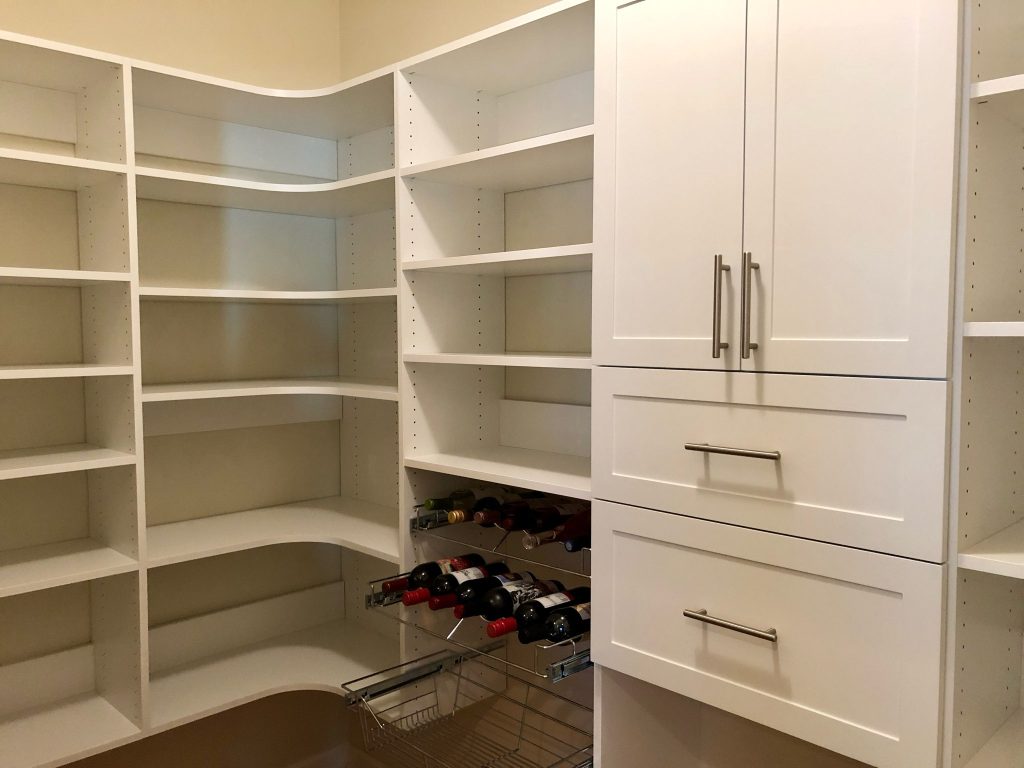
A pantry should make cooking and grocery shopping easier, not harder. When shelves are too deep, cans hide three rows back, small appliances crowd the counters, and groceries get bought twice because nobody could find the first box. The good news is that most pantry problems come down to a few fixable things: what goes where, how the shelves are set, and whether the space was planned for how your household actually cooks. This guide walks through practical pantry organization you can start this weekend.
Start by Taking Everything Out
Empty the pantry completely. It is the only way to see what you have. As you go, check dates, set aside anything expired, and gather duplicates together. Wipe down the shelves while they are clear.
Then sort what is left into groups on the counter or table: breakfast items, baking supplies, snacks, pasta and grains, canned goods, sauces and condiments, drinks, and small appliances. You will use these groups to plan the space.
Group Food by How You Use It
Organize the pantry into zones, so each group has one home. A breakfast zone keeps cereal, oatmeal, and coffee together. A baking zone keeps flour, sugar, and mixes in one place. Dinner staples, snacks, and drinks each get their own area. When everything in a zone sits together, you can see at a glance what is running low, and anyone in the house can put groceries away in the right spot.
Put Everyday Items Within Easy Reach
Height matters as much as zones. Keep the things you reach for every day between shoulder and hip height. Put heavy items, like bulk bags, drinks, and large appliances, on lower shelves where they are safe to lift. Give kids a low shelf for their snacks, so they can help themselves. Save the top shelves for backstock, holiday serving pieces, and things you use a few times a year.
Set Shelves to What You Store
Many pantries have a few deep, fixed shelves spaced evenly from floor to ceiling. That spacing rarely matches what you own. A shelf sized for cereal boxes wastes space above cans, and a deep shelf lets items disappear behind each other.
Adjustable shelving fixes both problems. Set shelf heights to your containers, with closer spacing for cans and jars and taller openings for cereal and bulk items. Shallower shelves keep everything one or two items deep, so nothing gets lost in the back row.
Bring the Back of the Shelf to You
Pull-out drawers and baskets make deep spaces usable. Instead of reaching over the front row, you slide the back of the shelf out to you. Pull-outs work well for canned goods, potatoes and onions, snacks, and bottles, and they keep lower shelves from turning into a pile.
Use the Door and the Walls
The back of the pantry door is often empty space. A door rack holds spices, small jars, packets, and wraps where you can see them. Inside the pantry, the narrow wall space at the ends of the shelves can hold hooks for aprons and bags, or a slim rack for foil and parchment. Dedicated spice storage, on the door or in a drawer, ends the search through a crowded shelf.
Give Small Appliances a Home
Mixers, air fryers, blenders, and slow cookers take over counters quickly. Give each one a permanent spot in the pantry, on a low, sturdy shelf or in an appliance garage, so the kitchen counters stay clear. In a walk-in pantry with room for a counter, appliances you use often can stay plugged in and ready to go.
Choose Containers and Labels That Help
Clear containers show you what is inside and how much is left. Square and rectangular shapes use shelf space better than round ones and stack neatly. Label each container, and for items you pour out of their original packaging, add the date. Bins for loose items, like snack packs or seasoning packets, keep small things from spreading across a shelf.
Containers help most after the shelves are set. Buy them once you know your zones and shelf heights, not before.
Organizing by Pantry Type
The same ideas apply to every pantry, but each type has its own strengths:
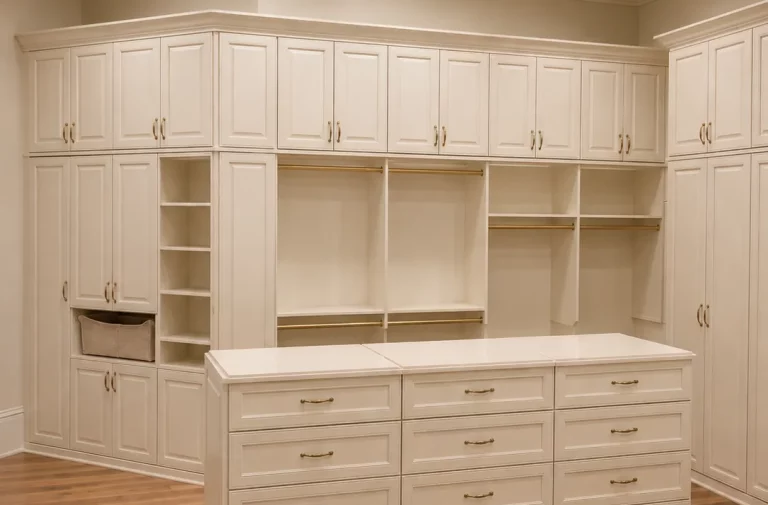
- Walk-in pantry: room for full shelving on several walls, a counter for small appliances, and space for bulk purchases. Plan clear zones on each wall so the room does not become a storage closet.
- Reach-in pantry: typically 2 to 5 feet wide and used from the doorway. Adjustable shelving, pull-out drawers, and door racks do most of the work.
- Butler’s pantry: a pass-through or nook between the kitchen and dining room. It is a natural home for a coffee or dry bar, serving pieces, and entertaining supplies.
- Cabinet pantry: a single cabinet or wall of cabinets, common in condos and townhomes. Pull-outs and vertical dividers make the most of a tight footprint.
Keep It Organized
- Put groceries away by zone. It takes the same time and keeps the system working.
- Move older items forward. Place new purchases behind what you already have, so things get used before they expire.
- Keep a running list. A list on the inside of the door makes it easy to note what is running low.
- Do a quick reset each month. Ten minutes to straighten shelves and check dates keeps the pantry from drifting back to clutter.
When Organizing Is Not Enough
Baskets and labels can only do so much with shelving that was never designed for how you cook. If the shelves are too deep, the spacing is fixed, or there is nowhere for appliances, the space itself may need to change. A custom pantry is configured around what you store, with adjustable shelving set to your containers, pull-out drawers, spice storage, and appliance garages.
Every Top South pantry is designed around your space, built in our own 82,000 square foot Marietta facility, and installed by our own crews. You see a digital 3D preview and approve the design before anything is built.
See Pantry Displays at Our Showroom
Pantry storage is easier to picture in person. At our Marietta showroom at 830 Pickens Industrial Drive, you can see shelving, pull-outs, door styles, and finishes up close. The showroom is open Monday through Friday, 8 AM to 4 PM. For more storage ideas, see our custom closets and storage options and our guide to small closet solutions, or call 770-422-4009.